Warranties
  Rebates
  Tax Credits
  Sustainability
  Careers
  Help
Help 



What Can I Do to Protect My Heat Pump Water Heater in Cold Climates?
September 18, 2025
 Facebook
  X
X  LinkedIn
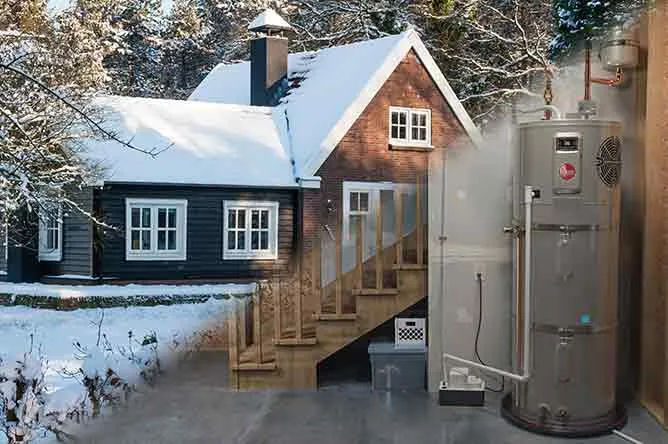
 Aside from the holidays, cold-weather months bring a fair share of challenges. Homeowners especially have more on their minds than football playoffs. But once you have your steady supply of hot water secured with the purchase and installation of a heat pump water heater, there’s the question that remains: Does a heat pump work in the winter? The good news is yes, with proper preparation and maintenance, your system can continue to deliver reliable performance.
If you’re relying on a cold-weather heat pump setup, a little proactive care goes a long way toward ensuring that toasty water keeps the household cozy until spring.
Let’s go over a checklist of heat pump maintenance for continued peak efficiency all year long.
What Steps Should You Take to Prepare Your Heat Pump Water Heater for Winter?
Cold weather can stress heat pump water heaters, especially in unheated basements or garages. Understanding the best winter temperature for your heat pump helps prevent performance issues.
Keep your unit within the manufacturer’s guidelines to avoid problems. Winterizing to avoid potential problems is your best way to prepare:
- Insulate Exposed Pipes and Condensate Drains. Cold pipes not only cause a loss of heat, but they can also freeze. Foam sleeves over exposed pipes do the job nicely with just a little customization for size. Tip: Find self-sealing pipe wrap for fast, secure insulation.
- Set & Optimize Your Tank’s Thermostat. Proactively increase the temperature settings to 120–130°F (49–54°C), which is widely considered the best temperature for a heat pump in winter, to reduce the risk of freeze and keep up with winter demand.
- Check & Clean Air Filters Regularly. When the air filter gets dirty, airflow is restricted, and efficiency is reduced. You should clear it of all debris every three months. Restricted airflow can contribute to a frozen heat pump, especially when temperatures drop significantly.
- Inspect for Leaks, Corrosion and Rust. The colder it gets outside, the more plumbing joints are impacted by stress. That’s why it’s important to check the water lines occasionally for leaks, rust or corrosion. Finding them early and repairing them will save you down the road.
- Ensure Proper Clearance and Airflow. The heat pump water heater needs at least 18 inches of space around it to ensure that the air is flowing freely. Even dust buildup can impede the amount of air that is transferred into heat.
- Test the Temperature & Pressure (T&P) Relief Valve. This crucial safety device needs the ability to move freely and reset tightly to do its job. If you find that it’s leaking or even “sticky”, you should call a professional.
How Do You Prevent Winter-Specific Problems?
Now that you’ve got the winter-prep steps figured out, let’s talk about prevention for when the temperature drops to below 37°F.
- Watch for ice or snow buildup: If the unit is stored in a garage or basement, go outside. Check that the intake and exhaust pipes stay clear. Remove anything that could block airflow or drainage.
- Insulate or Relocate the Condensate Drain: If you live in an area that freezes outside throughout the winter, make sure the condensate line that runs outside has freeze protection. You can insulate or even reroute it to a warm drain, as needed.
- Switch to Hybrid or Electric-Only Mode: If temperatures routinely drop below your heat pump water heater’s recommended temperature range, consider adjusting your heat pump winter settings by activating an electric backup. This will prevent freeze issues and keep hot water flowing for your household.
What Routine Heat Pump Maintenance Should You Include?
Regular care is still important, even when you’re focusing on cold-weather issues. Here are the annual heat pump water heater steps to take:
- Flush the Tank Annually: To ensure efficient operation, especially during cold weather when there are periods of heavy household use, drain and flush any sediment. Take a look to see how it’s done.
- Check the Anode Rod: To prevent internal corrosion, inspect this important metal rod every 1-2 years to safeguard the lifespan of your heat pump water heater.
- Have a Pro Service Your Heat Pump Water Heater Once a Year: Things like refrigerant charge, electrical safety and system diagnostics need to be checked, especially before or after a harsh winter.
FAQ: Winter Care for Cold Climate Heat Pump Water Heaters
Can I use my heat pump water heater in an unheated garage during winter?
Yes, you can. Keep an eye on the temperature around the unit. Make sure it doesn’t drop below the manufacturer’s recommended level.
What if my unit ices up or stops heating?
Check for airflow obstructions, switch to electric backup and call a professional if the issue is ongoing.
How often should I check the air filter in winter?
A good rule of thumb is every 2-3 months. If the area is dusty, check it monthly.
How do I clean a heat pump water heater filter?
Before you do anything, turn off the power to the unit at the circuit breaker. Then, simply remove the filter and rinse it under warm water to remove any debris.
An Ounce of Cold Climate Prevention is Worth a Pound of Problems.
You want the investment in your heat pump water heater to reach its lifespan of 10 to 15 years. After all, just like your car, a heat pump water heater is a complex machine and is key to keeping your everyday life running.