Warranties
  Rebates
  Tax Credits
  Sustainability
  Careers
  Help
Help 



What Is Hard Water?
May 29, 2026
 Facebook
  X
X  LinkedIn
 Found in many local groundwater supplies, hard water contains high levels of calcium and magnesium. While these minerals are naturally occurring, they can wreak havoc on your water heater. Prolonged exposure to hard water can lead to scale buildup that quietly damages your unit and drives up your utility costs. Here is everything you need to know about protecting your water heater from the effects of hard water.
How Hard Water Impacts Performance
Hard water minerals separate from water more quickly when heated, creating a thick layer of sediment at the bottom of your tank or a coating on the heating elements. This buildup creates a physical barrier between the heat source and the water, forcing your unit to work harder and run longer.
- Efficiency Loss: Scale buildup can reduce your unit’s heating efficiency by up to 30%.
- Higher Bills: Longer heating cycles lead to increased gas or electricity consumption.
- Slower Recovery: You may notice your water takes much longer to get hot after heavy use.
Is Hard Water Shortening Your Water Heater’s Lifespan?
Without regular maintenance, hard water doesn’t just make your unit less efficient. It can cause it to fail years earlier than expected. The sediment layer traps heat, causing heating elements to overheat and wear out prematurely. Furthermore, mineral-heavy environments can accelerate internal corrosion, leading to leaks and permanent tank deterioration.
5 Warning Signs of Hard Water Damage
Keep an ear (and an eye) out for these common symptoms:
- Strange Noises: Popping or rumbling sounds occur when water is trapped under sediment and boils, creating steam pockets.
- Fluctuating Temperatures: Inconsistent heat or a sudden depletion of hot water.
- Cloudy or Rusty Water: Discoloration or a metallic smell often points to high mineral content or internal corrosion.
- Reduced Water Pressure: Restricted flow from faucets can be caused by scale buildup in pipes and fittings.
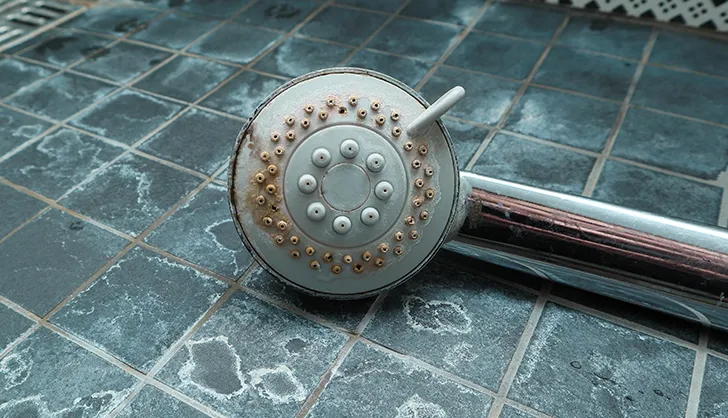
- Visible Scale: White, chalky buildup on your showerheads or faucets is a good indicator that your water heater is also being affected.
How to Protect Your Investment
The most cost-effective way to fight hard water is through proactive maintenance.
- Flush Regularly: Generally, flushing your water heater once a year can help protect your unit from corrosion and damage. If you live in a hard water area, you may want to flush your tank every 6 months.
- Check the Anode Rod: Inspect and replace your anode rod every 1–2 years. If it is heavily coated in calcium, it can no longer protect your tank from corrosion.
- Descale Tankless Units: Tankless systems are highly sensitive to scale; schedule a professional descaling every 6–12 months.
- Install a Water Softener: This is the best long-term solution to treat water before it enters your home, protecting your entire plumbing system.
- Moderate the Temperature: Keep your thermostat set between 120°F and 130°F to help slow the rate of scale formation.
Frequently Asked Questions
Can hard water really damage a water heater?
Yes. It accelerates wear on internal components and forces the unit to work harder, which eventually leads to premature failure.
Why is my water heater making a popping sound?
This is a classic sign of sediment buildup. Water gets trapped beneath the minerals and turns to steam, creating those distinct rumbling or popping noises, particularly when your water heater turns on.
Does hard water affect tankless water heaters?
Yes. Scale can build up quickly in the heat exchanger, significantly reducing performance and requiring regular professional descaling.
What is the best long-term solution for hard water?
Installing a water softener is typically the most effective way to protect your water heater. Softer water not only extends the life of your water heater but also eases wear and tear on your entire home plumbing system.