Warranties
  Rebates
  Tax Credits
  Sustainability
  Careers
  Help
Help 



How Often To Flush Your Water Heater (And How To Do It)
May 29, 2026
 Facebook
  X
X  LinkedIn
 Flushing your water heater is one of the most overlooked parts of home maintenance, but it plays a major role in the efficiency, performance and lifespan of your system. Over time, sediment buildup inside your tank can quietly reduce performance and drive up energy costs, until small issues turn into expensive problems.
So, how often should you flush your water heater? Here’s what you need to know about water heater cleaning, flushing and maintenance.
How Often Should You Flush Your Water Heater?
For most households, it is recommended to flush your water heater once a year to help prevent sediment buildup and performance issues. Sediment naturally forms as minerals separate and settle at the bottom of the tank. Without regular water heater cleaning, that layer thickens, reducing efficiency and increasing wear on the system.
Your exact flushing schedule depends on your water quality and usage. If you have hard water, it’s recommended to flush your system every 6 months. You may also need to flush your water heater more frequently if there is visible sediment or if your household uses a lot of water. Tankless water heaters, however, require periodic descaling instead of flushing.
How Does Flushing Improve Water Heater Efficiency and Extend Lifespan?
Flushing your system is one of the most effective ways to extend your water heater’s lifespan and keep it performing at its best. When done regularly, it:
- Improves heat transfer efficiency
- Reduces strain on heating elements or burners
- Prevents overheating and internal damage
- Lowers energy consumption and utility costs
- Extends the overall life of the tank
When sediment builds up, it acts like insulation at the bottom of the tank, forcing the system to run longer heating cycles and increasing energy usage and stress on heating components. Regular water heater tune-ups, including flushing, help keep everything running as it should.
What Are the Signs Your Water Heater Needs Flushing?
It may take some time for sediment buildup to start affecting your water heater’s performance, but your system usually gives early warning signs that you can address before they become major problems. It may be time to flush your unit if you notice:
- Rumbling or popping noises coming from the tank
- Rusty or cloudy hot water
- Running out of hot water faster than usual
- Longer recovery times between uses
- Rising energy bills without increased usage
How Do You Flush a Water Heater?
If you see any of the signs above, it’s time to make flushing your water heater system a priority.
- Step 1: Turn off the electricity, gas and cold water inlet.
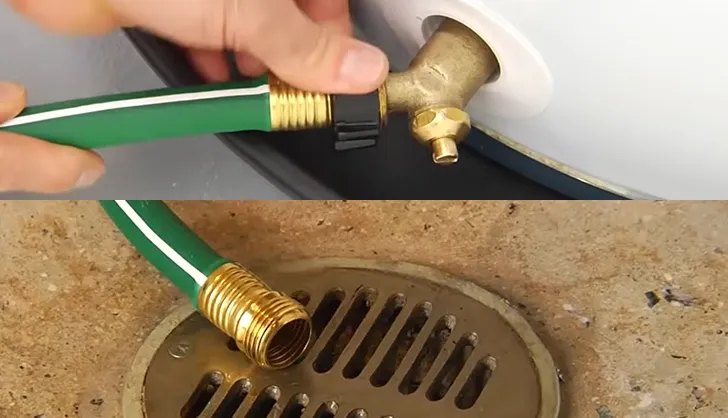
- Step 2: Connect a hose to the drain valve. Make sure the other end of the hose leads to a container or area that won’t be damaged by the hot water drainage.
- Step 3: Open the pressure relief valve, then open the drain valve. Allow the tank to drain completely to remove sediment.
- Step 4: Close the drain valve, disconnect the hose and close the pressure relief valve.
- Step 5: Turn on all your hot water spigots and turn on the cold water inlet.
- Step 6: Once water begins flowing, turn off each spigot, then turn on the unit’s electricity and gas.
When Should You Call a Professional Instead of Flushing It Yourself?
Flushing a water heater can be a manageable DIY task, but not always. In some situations, calling a professional is the smarter (and safer) move. Consider professional help if:
- The drain valve won’t open or is leaking
- You see heavy rust or corrosion around fittings
- Noise continues even after flushing
- Your unit is 8–12 years old or older
- You’re unsure about handling gas or electrical components
Older systems or tanks that haven’t been flushed in a while may have hardened sediment that’s difficult to remove without specialized tools, and attempting to flush these units yourself could lead to leaks or further damage. If you’re unsure, it’s always safer to bring in a professional.
What Happens During a Professional Water Heater Flush?
While it is possible to drain and flush your water heater yourself, professional services take things to another level. Not only does your water heater get flushed, but it also often gets a full inspection, so you know your system isn’t just clean but also operating safely and efficiently. A licensed technician will typically:
- Safely shut down gas or electrical components
- Fully drain and flush the tank to remove buildup
- Inspect the temperature and pressure (T&P) valve
- Check the drain valve for proper function
- Evaluate the anode rod (which helps prevent corrosion)
- Test system pressure and inspect for leaks
- Restart the system and verify performance
Professional service is especially valuable if your unit hasn’t been maintained regularly or if you’re dealing with heavy sediment buildup.
Stay Ahead with Routine Water Heater Maintenance
Flushing your water heater might not be top of mind, but it’s one of the simplest ways to protect your water heater system. By sticking to a regular maintenance schedule, you can keep your system running smoothly, extend its lifespan and ensure consistent hot water when you need it most.
FAQ: Water Heater Flushing and Maintenance
Q: How often should I flush my water heater?
A: Once per year for most homes, or every 6 months if you have hard water.
Q: What happens if I don’t flush my water heater?
A: Sediment buildup can reduce efficiency, increase energy bills, cause noise and shorten the system’s lifespan.
Q: Is flushing a water heater difficult?
A: It’s manageable for many homeowners, but professional service is recommended for older units or heavy buildup.
Q: Can flushing stop rumbling noises?
A: Yes. Rumbling and popping are often caused by sediment buildup that flushing can remove.
Q: Should tankless water heaters be flushed, too?
A: Tankless systems require periodic descaling, not traditional flushing, to remove mineral buildup.